

Malasaña | Madrid, España
Malasaña | Madrid, España

Plaza Dos de Mayo | Madrid, España
This study examines how Spanish-English bilinguals, specifically heritage and late L2 bilinguals, handle code-switching (CS) with adverbs, focusing on whether adverb position (pre- or post-verbal) affects acceptability. The results show that English adverbs are only acceptable pre-verbally, while Spanish adverbs are acceptable both pre- and post-verbally in mixed utterances, regardless of bilingual type. This suggests that bilinguals from different acquisition contexts adhere to similar structural constraints in CS, emphasizing the role of the adverb’s language in determining its placement.

Nidelva | Trondheim, Norway

Plaza Mayor | Madrid, España
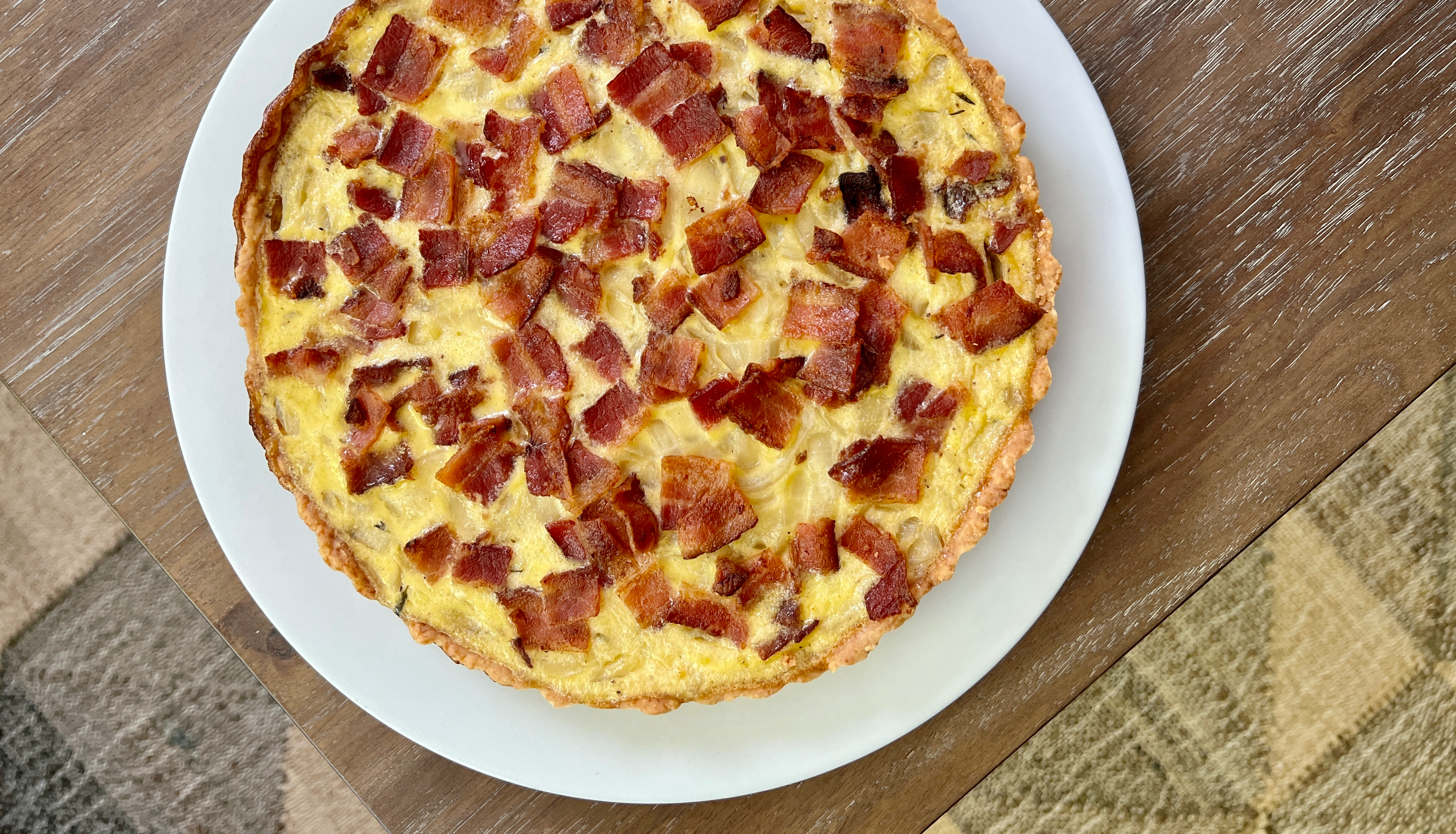
French Onion and Bacon Tart | Recipe via America’s Test Kitchen
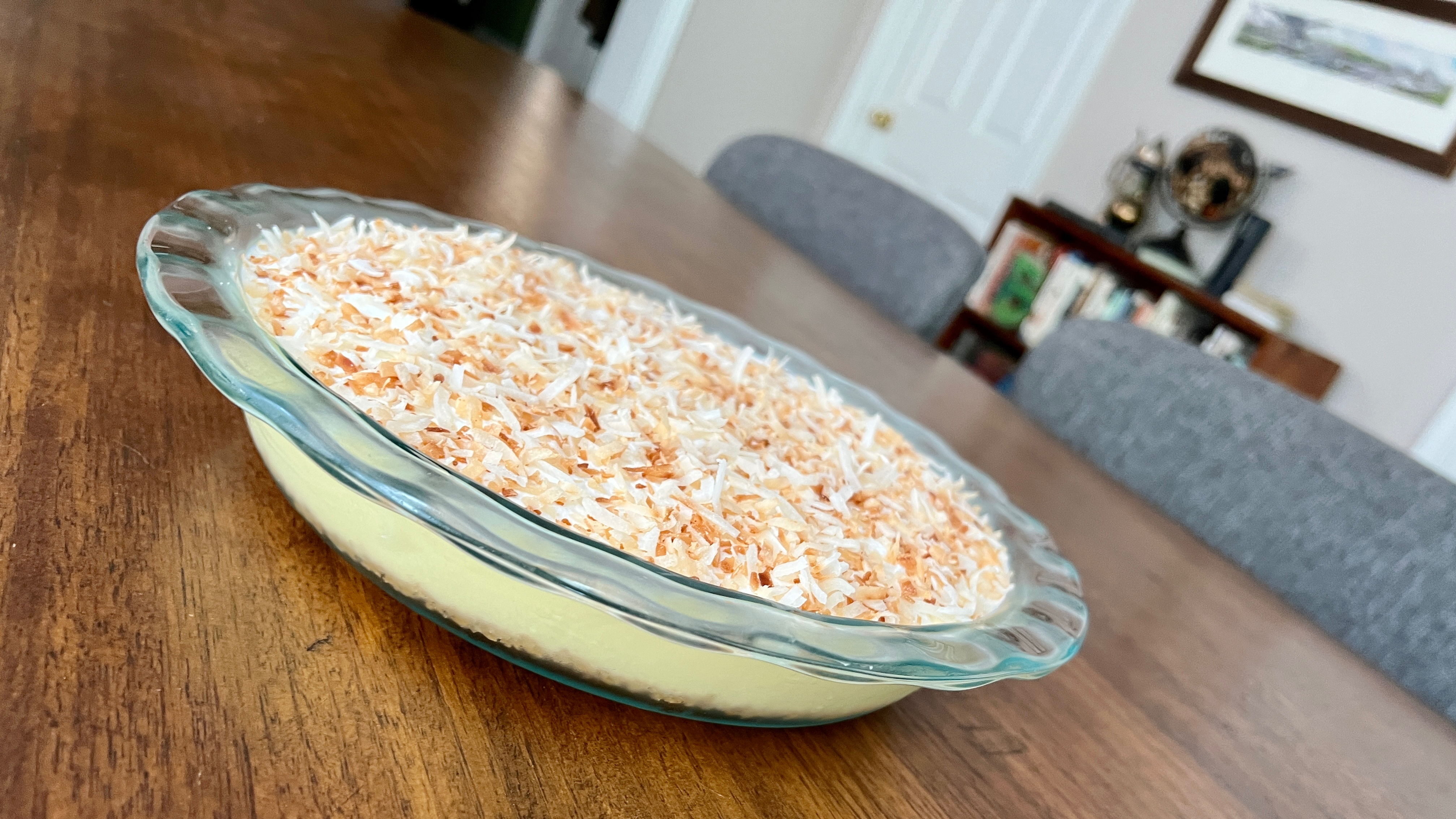
Coconut Cream Pie with Animal Cracker Crust | Recipe via Cook’s Illustrated
Co-authored article published in Foreign Language Annals.
The majority of US university students studying foreign languages are enrolled in introductory courses that are typically part of a coordinated curriculum. Such courses conventionally include the assessment of second language (L2) writing skills. However, given that these assessments can be broadly conceived and vary by program, their design and implementation are subject to differing opinions and beliefs from the stakeholders involved. In an effort to better understand how their views of L2 writing assessments overlap and/ or diverge, the present study examined instructor (N = 28) and student (N = 183) beliefs in Spanish language programs at three public US universities using an online Likert‐scale and ranked‐choice questionnaire. Results revealed that although there was misalignment regarding the pedagogical purpose of such assignments, in general there was broad agreement among the two groups, including the use of a writing‐to‐learn approach to develop both specific and broad linguistic skills.
doi: 10.1111/flan.12609
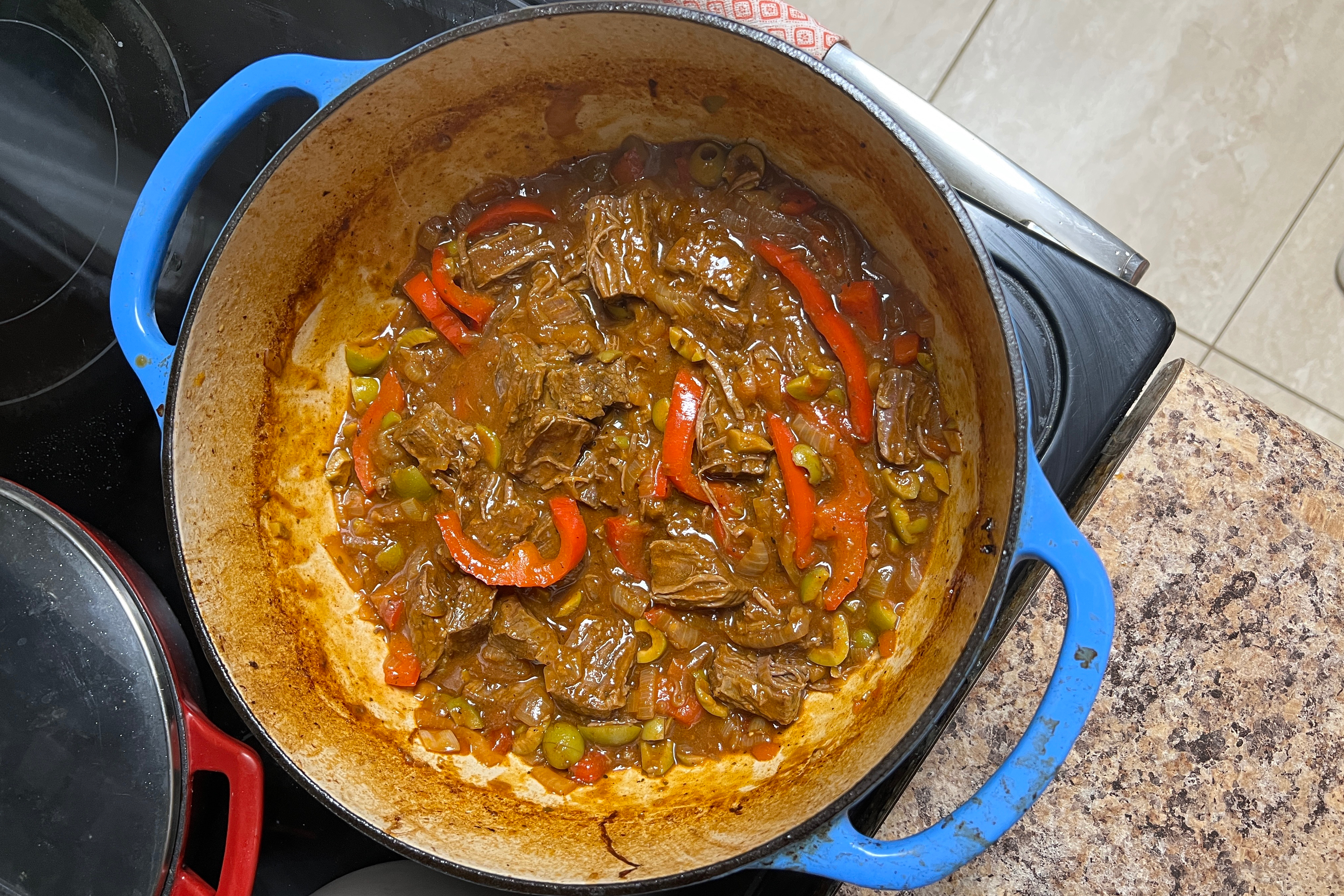
Cuban Braised Shredded Beef (Ropa Vieja) | Recipe via America’s Test Kitchen – Cook It in Your Dutch Oven
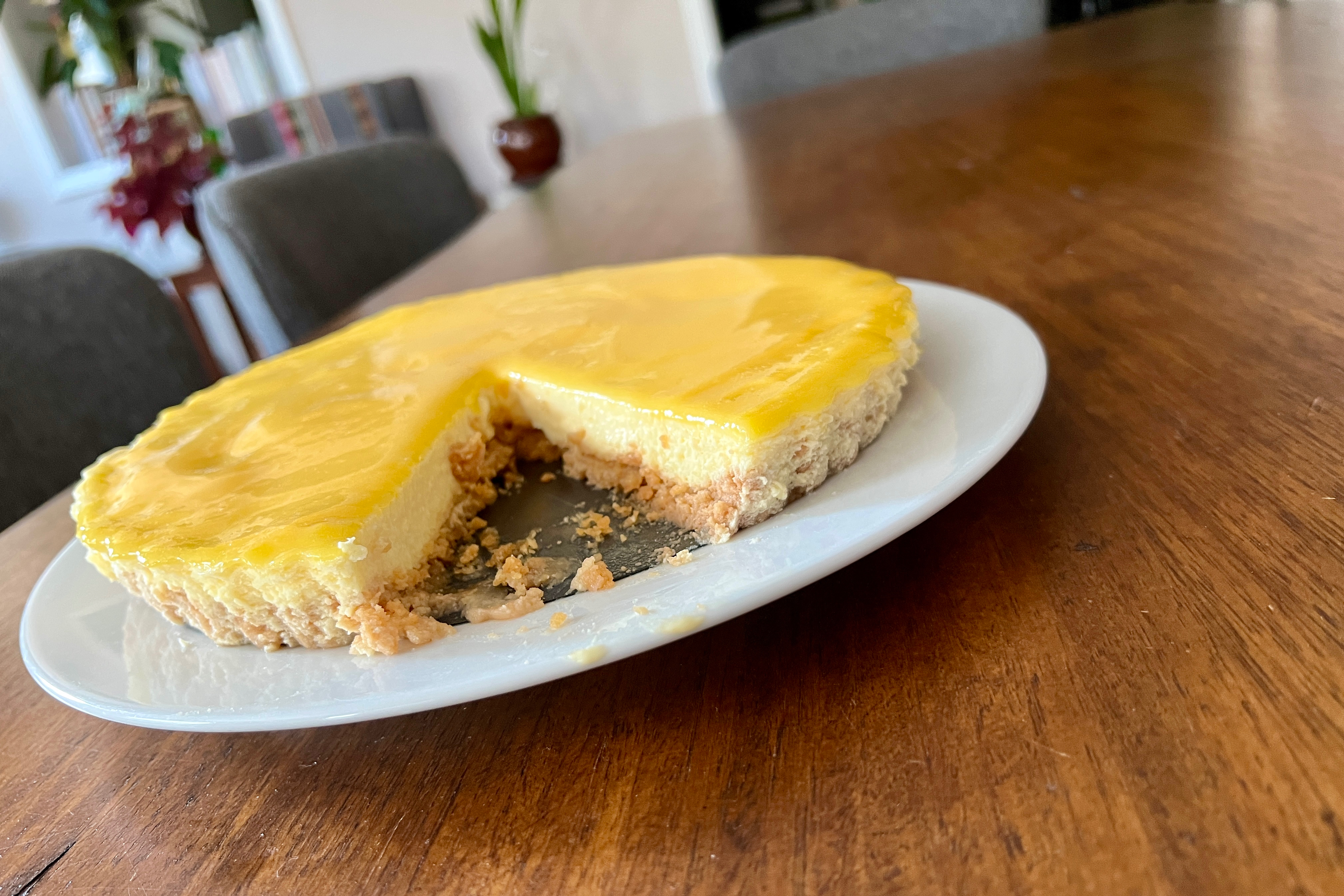
Lemon Cheesecake | Recipe via America’s Test Kitchen
 Bryan Koronkiewicz