
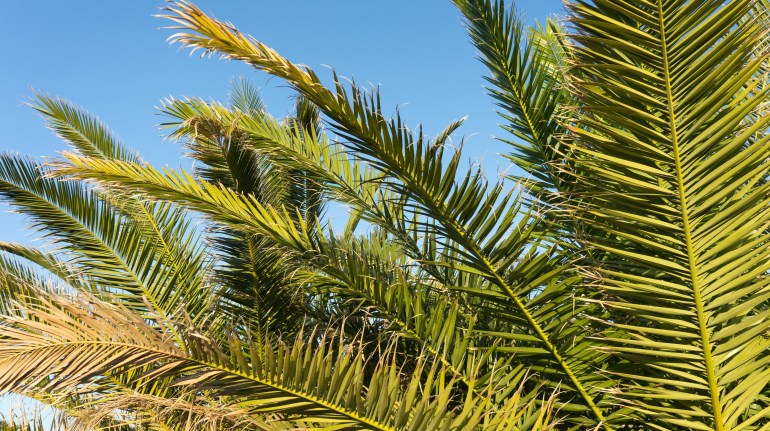
Tenerife, Canarias, España
Tenerife, Canarias, España
Co-authored article published in Studies in Hispanic and Lusophone Linguistics.
This article addresses methodological concerns in research on grammatical aspects of code-switching. Data from code-switching have the potential for a unique contribution to linguistics by giving us access to combinations of linguistic features that may be difficult (or impossible) to observe in monolingual data. Nonetheless, the use of code-switching data for linguistic inquiry is not without issues. In this paper, we focus on three methodological questions specific to code-switching research: (i) project design, (ii) experimental procedure and (iii) participant selection. Drawing on experimental data from both published works and in-progress projects, we highlight potential solutions to each methodological challenge, concluding that several solutions are often required to mitigate the impact of confounding variables. In line with previous work (e.g. Grosjean 1998, Gullberg, Indefrey & Muysken 2009), we suggest that researchers clearly report on their methodology. Our overall goal is to contribute to a dialogue on best practices in code-switching research.
doi:10.1515/shll-2013-1143
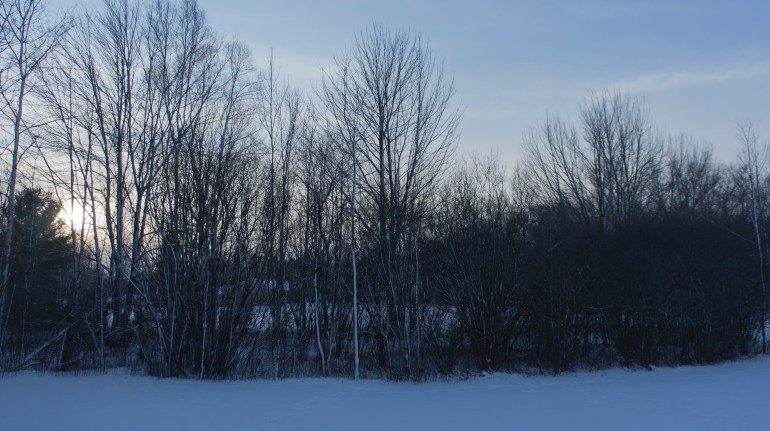
Peshtigo, Wisconsin

Peshtigo, Wisconsin
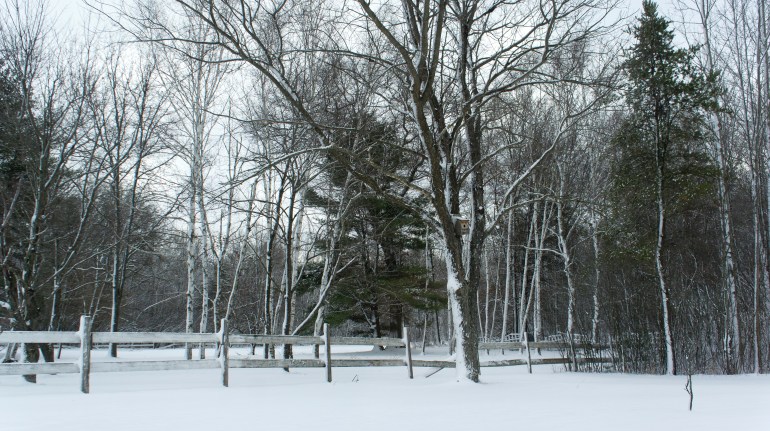
Peshtigo, Wisconsin

Jackson Square | French Quarter, New Orleans, Louisiana

Chartres Street | French Quarter, New Orleans, Louisiana

French Quarter, New Orleans, Louisiana
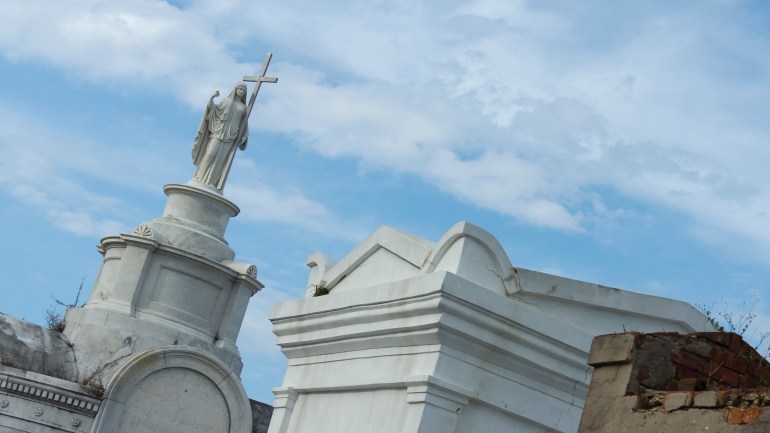
St. Louis Cemetery No. 1 | New Orleans, Louisiana

Wisconsin State Capitol | Madison, Wisconsin
 Bryan Koronkiewicz