
While late L2 bilinguals’ acquisition of these code-switching patterns are often linked to factors like exposure and proficiency, this study examined whether language dominance also influences judgments of code-switching acceptability, using an acceptability judgment task with 113 L1-English L2-Spanish speakers. The results revealed that while L2 proficiency predicted sensitivity to CS grammaticality, language dominance did not, suggesting that once late bilinguals reach sufficient proficiency, dominance plays little role in shaping their grammatical knowledge of code-switching.
Asymmetrical p-stranding: Acceptability data from Spanish-English code-switching
Co-authored article published in Isogloss: Open Journal of Romance Linguistics.
This study investigates the availability of preposition stranding (p-stranding) in intrasentential code-switching (CS) among US heritage speakers of Mexican Spanish. P-stranding is allowed in English, but in Spanish the preposition is traditionally pied-piped with the DP. Law (2006) argues Spanish is subject to a syntax-morphology-interface condition, which prevents the extraction of a DP from a PP due to D-to-P incorporation. Previous research has suggested that such incorporation depends upon the features inherent to the preposition, with p-stranding only accepted with Spanish-to-English switches (Koronkiewicz, 2022). We expand on that study since it only included one preposition (with/con). Furthermore, it did not explicitly test pied-piping, nor did it include matrix wh-questions, a common context for p-stranding. Results from a written acceptability judgment task show that the participants: (i) dispreferred p-stranding in Spanish compared to pied-piping; and accepted p-stranding in English more than pied-piping. As for CS, they dispreferred p-stranding for English-to-Spanish compared to pied-piping, while for Spanish-to-English it was the inverse. Overall, these asymmetrical p-stranding results align with previous findings (Koronkiewicz, 2022) further suggesting that it is the language of the preposition that dictates incorporation.

Museo Casa Estudio Diego Rivera y Frida Kahlo | Ciudad de México
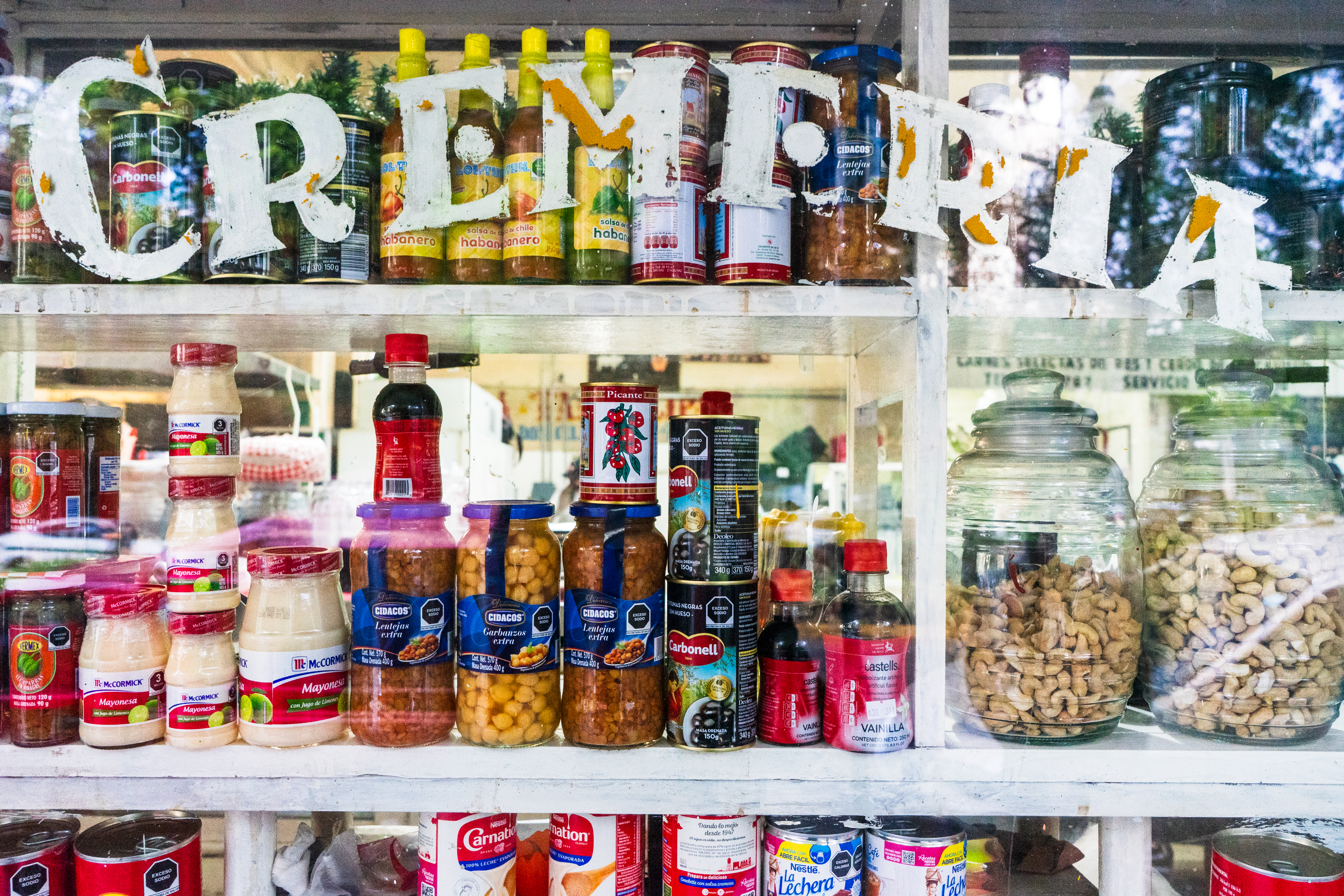 Ciudad de México
Ecological validity and inclusivity in heritage bilingualism research: Examining objective and subjective Spanish proficiency assessments and language experience factors
Co-authored article published in Frontiers in Language Sciences.
The multidimensional nature of bilingualism demands ecologically valid and inclusive research methods that can capture its dynamism and diversity. This is particularly relevant when assessing language proficiency in minoritized and racialized communities, including heritage speakers (HSs). Motivated by a paradigm shift in bilingualism research, the present study joined current efforts to establish best practices for assessing language proficiency among bilingual individuals accurately and consistently, promoting ecological validity and inclusivity. Specifically, we examined the reliability and validity of objective and subjective proficiency assessments ubiquitously used in second language (L2) and bilingualism research to assess Spanish proficiency, within a sample of HSs of Spanish in the United States (US). We also sought to understand the relationships between these proficiency assessments and a subset of heritage language (HL) experience factors. To our knowledge, this is the first study to examine the reliability and validity of these proficiency assessments and their relationship with HL experience factors with HSs of Spanish in the US in a multidimensional way. Forty-three HSs of Spanish completed the Bilingual Language Profile questionnaire, including self-reports of proficiency and information about HL experience and two objective proficiency assessments: a lexical decision task, namely the LexTale-Esp, and a vocabulary and grammar task, often referred to as the “Modified DELE”. Our findings revealed high internal consistency for both objective proficiency assessments and medium correlations between them, supporting their reliability and validity. However, our results also revealed inconsistent relationships between subjective proficiency assessments and HL language experience factors. These findings underscore the dynamic interplay between these HSs’ objective and subjective proficiency, and HL experiences and use across different contexts. Additionally, they highlight the limitations of relying on any single proficiency assessment, aligning with previous research that emphasizes the need for multidimensional proficiency assessments and language experience factors to capture the dynamic and diverse nature of bilingualism. By critically evaluating the reliability and validity of existing objective and subjective proficiency assessments alongside HL experience factors, our study aims to shed light on the best practices of assessing language proficiency among bilingual individuals, specifically HSs of Spanish in the US, in an ecologically valid and inclusive manner.
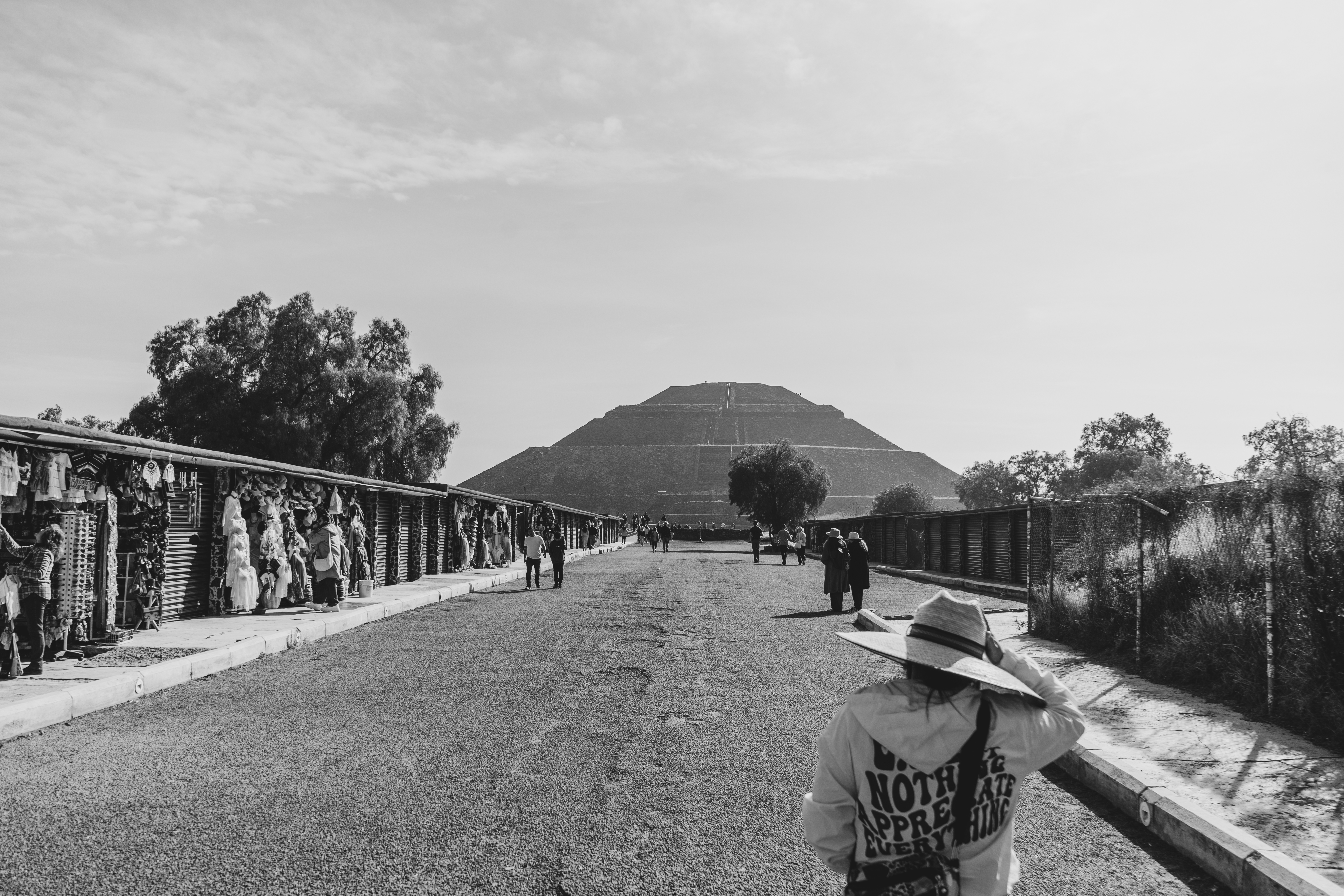 Pirámide del Sol | Teotihuacán, México
 Libertario Coffee Roasters | Ciudad de México
 Palacio de Bellas Artes | Ciudad de México
 Taquería Orinoco | Ciudad de México
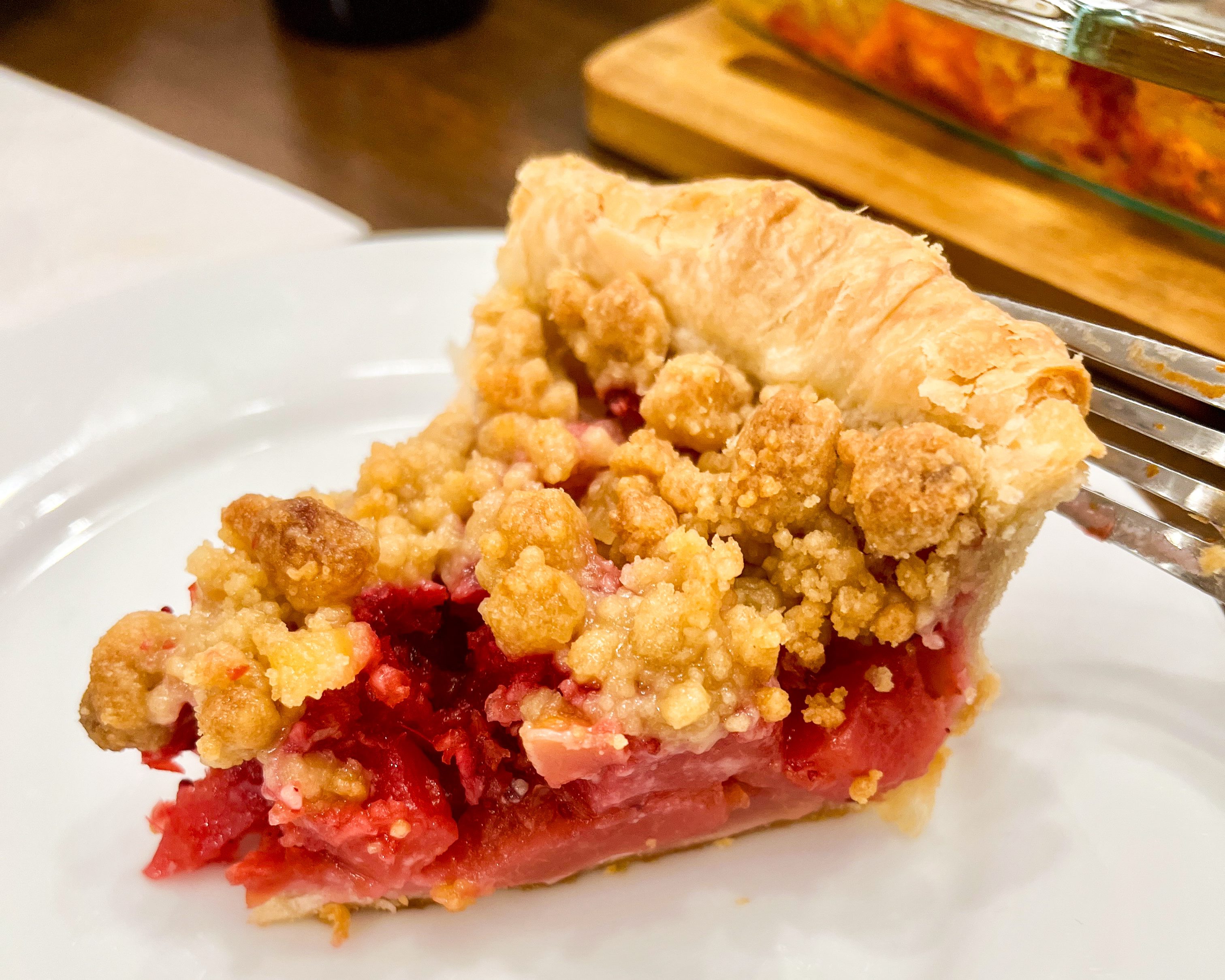
Ginger Cranberry-Pear Streusel Pie | Recipe via America’s Test Kitchen – The Perfect Pie
 Bryan Koronkiewicz